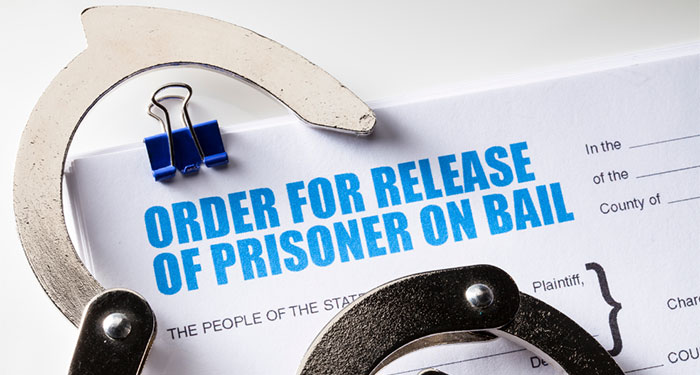
Missy’s Law in Florida: Florida’s new Missy’s Law changes what happens after a person pleads guilty or no contest to, or is found guilty of, a qualifying “dangerous crime.” The law requires immediate remand into custody and generally prevents release on bond while the defendant is awaiting sentencing.
Missy’s Law is CS/CS/HB 445 (Chapter 2026-19). It took effect July 1, 2026. The law created Florida Statute § 903.0472 and amended the statutory definition of “dangerous crime” in § 907.041.
What Is Missy’s Law?
Missy’s Law is a Florida law concerning custody after a defendant pleads guilty or nolo contendere to, or is found guilty of, a dangerous crime. Under the new § 903.0472, the court must remand the person to custody immediately after the qualifying plea or finding of guilt, regardless of adjudication, and the person must remain in custody pending sentencing without the possibility of release on bond under the statute.
Does Missy’s Law Apply Before Trial?
Not in the same way. Missy’s Law addresses the period after a qualifying guilty or no-contest plea or finding of guilt. Pretrial detention and release are governed by other Florida laws, including § 907.041.
This distinction matters. A person who has merely been charged with a dangerous crime has not necessarily triggered the mandatory-remand provision of Missy’s Law. The applicable pretrial-release rules still need to be examined based on the specific charge and circumstances.
What Happens After a Guilty Plea or Conviction?
When § 903.0472 applies, the court must immediately remand the defendant to custody. The defendant remains in custody pending sentencing and cannot obtain release on bond under this provision.
The law also states that this requirement applies regardless of whether the defendant intends to appeal or has already filed a notice of appeal.
What Crimes Qualify Under Missy’s Law?
Missy’s Law uses the statutory definition of a “dangerous crime” in § 907.041(5)(a). That definition is important because § 903.0472 makes immediate remand to custody mandatory after a qualifying guilty or no-contest plea or finding of guilt. The same statutory definition also governs the dangerous-crime category used in Florida’s pretrial-detention law.
As of July 1, 2026, the dangerous crimes listed in § 907.041(5)(a) are:
- Arson
- Aggravated assault
- Aggravated battery
- Illegal use of explosives
- Child abuse or aggravated child abuse
- Abuse or aggravated abuse of an elderly person or disabled adult
- Aircraft piracy
- Kidnapping
- Homicide
- Manslaughter, including DUI manslaughter and BUI manslaughter
- Sexual battery
- Robbery
- Carjacking
- Lewd, lascivious, or indecent assault or act upon or in the presence of a child under 16
- Sexual activity with a child age 12 or older but under 18 by or at the solicitation of a person in familial or custodial authority
- Burglary of a dwelling
- Stalking and aggravated stalking
- An act of domestic violence as defined in § 741.28
- Home-invasion robbery
- An act of terrorism as defined in § 775.30
- Manufacturing any substances in violation of Chapter 893
- Human trafficking
- Trafficking in certain controlled substances described in § 893.135(1)(c)4.
- Extortion in violation of § 836.05
- Written threats to kill in violation of § 836.10
- Any violation related to computer pornography or child exploitation as described in § 847.0135
- Attempting or conspiring to commit any of the listed dangerous crimes
Important: This is a statutory list, not a general list of every serious Florida offense. Whether a particular charge qualifies depends on the exact offense and statutory subsection alleged. The wording of the statute should therefore be checked in each individual case.
What If the Defendant Plans to Appeal?
Missy’s Law expressly provides that the mandatory custody requirement applies regardless of whether the defendant intends to appeal or has filed a notice of appeal.
There is an important exception if the plea or finding of guilt that triggered the custody requirement is later vacated, reversed on appeal, set aside by a judgment of acquittal, or otherwise nullified.
Does Missy’s Law Create a Mandatory Prison Sentence?
No. Missy’s Law concerns custody pending sentencing. It does not establish one universal prison sentence for every dangerous crime covered by the statute.
The eventual sentence depends on the underlying offense and the other Florida laws governing sentencing, including applicable provisions of the Criminal Punishment Code and the defendant’s individual circumstances.
Why Plea Decisions Matter Under Missy’s Law
Missy’s Law makes the consequences of a plea particularly important in cases involving dangerous crimes. A guilty or no-contest plea can trigger immediate custody before the court imposes the final sentence.
Before entering a plea, a defendant should understand not only the potential sentence but also what happens immediately after the plea is entered. The timing of sentencing, the possibility of a negotiated resolution, and the consequences of a conviction should all be considered with counsel.
What Does Missy’s Law Mean for Sarasota Defendants?
For someone facing a serious criminal charge in Sarasota County, Missy’s Law is another issue that should be addressed early in the case.
Depending on the charge and procedural posture, a defense strategy may involve questions about pretrial release and bond reduction, investigation, plea negotiations, trial, sentencing, and potential appellate remedies.
If you are facing a serious criminal charge, do not assume that the consequences of a plea or conviction are limited to the eventual sentence. The custody consequences under Missy’s Law may begin immediately after a qualifying plea or finding of guilt.
Talk to a Sarasota Criminal Defense Attorney
If you or a family member is facing a dangerous-crime charge in Sarasota County, it is important to have the specific charge and procedural status reviewed under current Florida law.
A Sarasota criminal defense attorney can evaluate the allegations, applicable statutes, evidence, criminal history, pretrial-release issues, plea options, and potential sentencing consequences.
If you are facing a dangerous-crime charge in Sarasota, contact a Florida criminal defense attorney as soon as possible.

